We know it as the land of fire and ice. Snowscapes reminiscent of Narnia; eternal winter. Velvet black skies punctuated by elusive shows of shimmering lights in colours unknown to nature. Brooding volcanoes, powerful and unpredictable, bubble and steam in sharp contrast with the eerie stillness of silent, frozen glaciers.
It comes as no surprise that Iceland, blessed with this myriad of natural wonders boasts a rich heritage of myth, mystery and magick. Tales of witchcraft abound, many centuries old. In his essay ‘Hostile Magic in the Icelandic Sagas’ (1973) author H. R. Ellis Davidson states:
There is no difficulty in finding examples of hostile witchcraft in the Icelandic sagas, as it plays a large part; sometimes it has a direct bearing on the plot, accounting for major events, strange behaviour of the characters, or the downfall of the hero.
H. R. Ellis Davidson, ‘Hostile Magic in the Icelandic Sagas’ (1973)
The sheer force of nature in Iceland is felt keenly in the rhythm of its everyday life and seasons; unlike the majority of us who experience four seasons annually, the Icelandic people are subject to just two: winter and mid-winter.
Thankfully the Icelandic people share our seasonal celebration of Yule, lightening the burden of cold, dark days and the hard labour of both today and centuries past. The mid-winter holiday is known as ‘jól’ from the Old English and Old Germanic word ‘yule.’
One of the oldest Yule traditions is that of the witch Grýla, an imposing and powerful giantess who resides in the mountains. It is believed that the legend of Grýla dates back to at least the thirteenth century, with the likelihood that it was recorded in writing as an evolution of early oral accounts. The spine-tingling story proved so popular that it remains at the forefront of Icelandic folklore and has been fascinatingly embroidered over time.
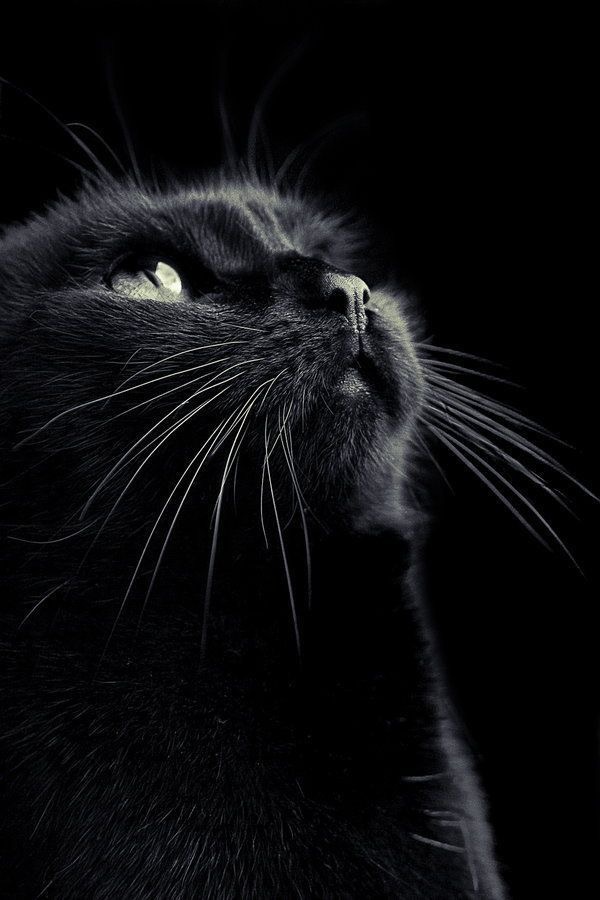
Of course, no witch is complete without her familiar and in accordance with typical ancient lore, Grýla’s is depicted as a sleek and powerful black cat. This fearsome feline is known as the ‘Jóla’ or Yule Cat. A large, vicious beast who stalks the frozen countryside during Yuletide, the Jólakötturinn shares his mistress’s penchant for trapping and eating naughty children.
Despite his fearsome reputation, it is said that he shares his home happily with Grýla’s large, somewhat dysfunctional family. Her thirteen mischievous sons are commonly known as the Yule Lads. A patriarchal figure existed initially, but legend tells that Grýla ate him alive as he bored her senseless. It’s not unreasonable to assume that her current husband, Leppalúði may meet a similar fate, known as he is for his oafish clumsiness. Initially representing their own individual tales, this disparate group of otherworldly beings was eventually united as a family and subsequently associated with Yuletide traditions in more recent times, particularly through early nineteenth century poetry.
On the days leading up to Christmas, each of Grýla’s thirteen sons, would visit local houses on his allotted date in December, creating havoc reminiscent of that of the disgruntled brownies and restless spirits we seek to placate through hearth witchcraft. Each lad had a name pertaining to his particular form of harassment; Pottaskefill was known for eating any precious leftovers that the family had stored in pots, and Bjúgnakrækir’s crimes speak for themselves when we translate his name to English as ‘Sausage Swiper.’ It is thought that some of the lads were a little more lenient though, and Icelandic children today are encouraged to leave a shoe by their window between 11th and 24th December, in the hope that a benevolent Yule Lad will feel inclined to leave a small gift.
The earliest Yule traditions of Iceland were centred on gatherings celebrating both the living and the dead, encompassing the gamut of Icelandic magickal creatures including the ogres, trolls and elves that were thought to live in nearby mountains and caves. Revellers would roam through the frozen countryside dressed as masked visitors; perhaps reminiscent of the Christmas mummers of sixteenth century English tradition. Often, one of these masked characters bore the features of the dreaded Grýla, thrashing a horned tail back and forth and clutching a large bag between her sharp claws; all could recognise her dreaded approach from the ‘clip-clopping’ rhythm of her demon-like hooves. Naughty children knew then, as they do today, that Grýla’s bag was ready to act as their temporary prison before she whisked them away to the mountains. Here they would face certain death, boiled in a cauldron and eaten as an ingredient in Grýla’s signature stew.
If that weren’t threat enough, the Yule Cat himself would terrorise villages on Christmas Eve, targeting not only naughty children, but also those who had no new clothes ready to wear for Christmas Day. Tragically, this part of the tale is thought to have been created and peddled by local employers in an attempt to ensure that wool workers completed all textile orders by the end of autumn. If they succeeded, they would receive new clothes. If not, they were at the mercy of the Jólakötturinn.
Attempts have been made to sanitise Grýla and her gang over the centuries, but the sheer force of her power – it was said that she even had the ability to control the weather – has held her in good stead. Her cultural influence is such that the Icelandic word for ‘icicles’ is ‘grýlukerti’ or ‘Grýla’s candles.’ Along with her boys and her cat, she is well known to Icelandic children to this day, who find her as terrifying as the classic ‘monster under the bed.’
An enormous illuminated Yule Cat is constructed in Lækjartorg square, Reykjavík annually and a poem written in 1932 by Jóhannes úr Kötlum (1899–1972) entitled ‘The Yule Cat’ is known by many to this day. Highlights include:
You all know the Yule Cat
And that cat was huge indeed
People didn’t know where he came from
Or where he went.
He opened his glaring eyes wide,
The two of them glowing bright.
It took a really brave man
To look straight into them.
His whiskers, sharp as bristles,
His back arched up high.
And the claws of his hairy paws.
Were a terrible sight.
If you go to Iceland during Yuletide, consider the gift of an item of clothing a symbol of love and protection. The next time you’re pondering asking for a gift receipt, hold back – that unwanted piece of clothing may just have stopped you from becoming the Yule Cat’s Christmas dinner.
Gleðileg jól!
Photo credit: Unknown
Originally written for Witches Magazine, Yule 2023
 Lucy Spirit ~ Portfolio
Leave a comment